how much do you tip an airboat captain?
Tipping etiquette for airboat and swamp tour captains around New Orleans: customary ranges by boat type and group size, cash versus the listing's tip line, and what the captain actually does to earn it.
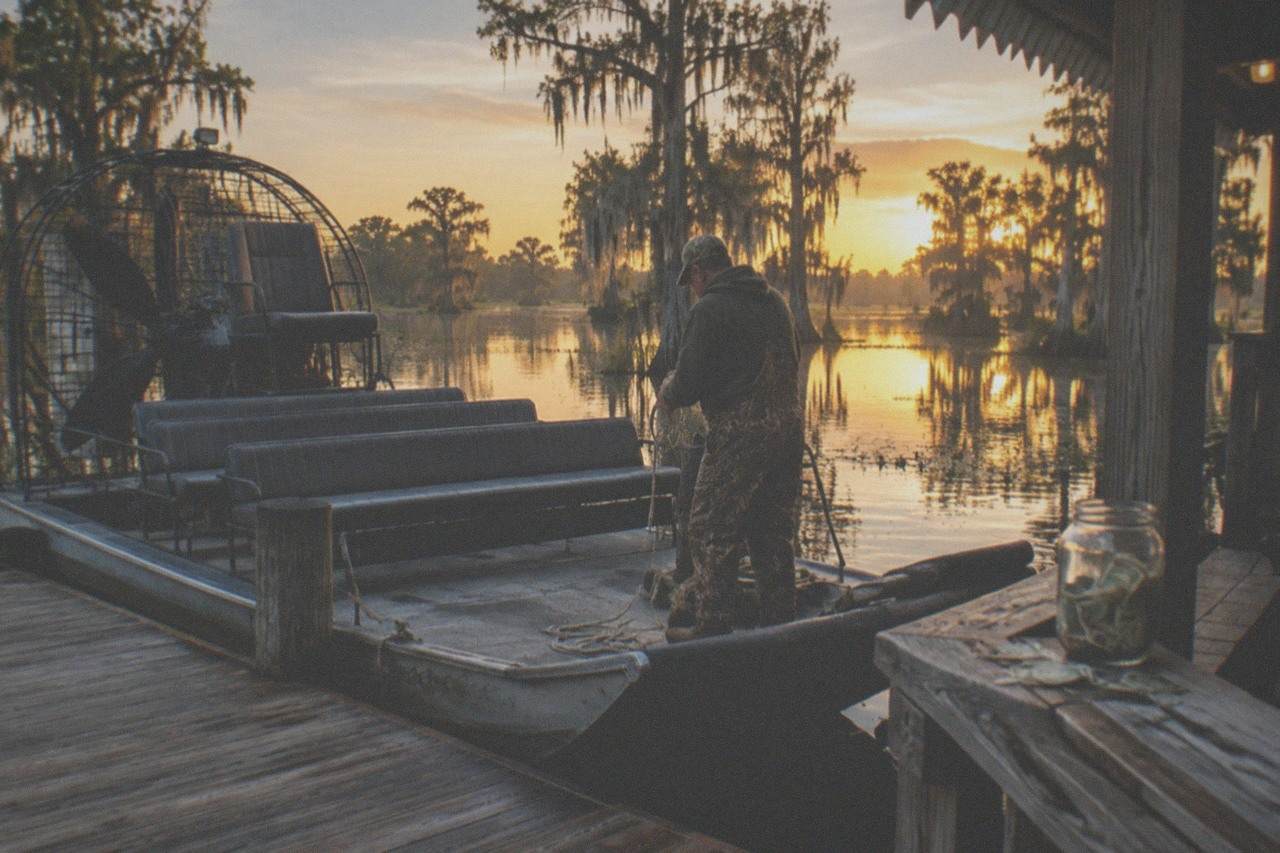
how much do you tip an airboat captain?
Plan on $10 to $20 per person for a standard airboat ride, or roughly 15 to 20 percent of what you paid if that works out higher. On a small premium boat with only a handful of passengers, leaning toward the top of that range matters more.
That is the short version. The honest answer has more texture, because a swamp ride is not a restaurant meal with a printed check. There is no tip line on most dock receipts, no percentage prompt, and no shared cultural script the way there is for a waiter or a bartender. Some guests hand over cash at the dock. Some tap a card at a counter. Some quietly add a tip through the booking listing afterward, which works but can take a few days to reach the operator. All three routes are normal here.
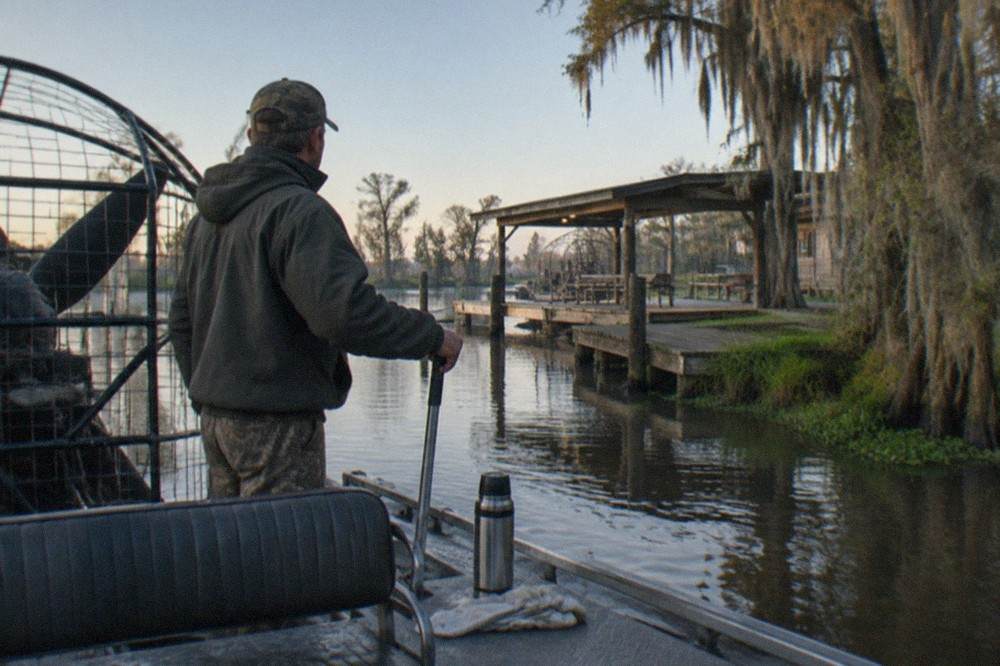
The operators themselves are refreshingly low pressure about it. Airboat Adventures, which runs pontoon and airboat trips out of Lafitte, states plainly in its own FAQ that tipping is not required, that cash, digital and credit tips are all accepted, and that there is an ATM onsite if you arrive with nothing but a card. That is worth repeating: a major operator in this niche publishes, in its own words, that a tip is not required. So the money you hand over is genuinely a thank you, not a hidden fee you failed to pay.
Why tip at all, then? Because the wage structure of guided tours in the United States assumes it. Captains and guides in this industry typically earn a base rate with tips treated as a meaningful part of total take-home pay, the same way the broader US guided-tour economy works. When you skip the tip on a good ride, you are not making a statement against the system, you are just shorting the person who spent two hours finding wildlife for you. For a longer look at whether these trips earn their price at all, see are Louisiana swamp tours worth it.
If you are still choosing which ride to book, the format you pick changes the tipping math more than you might expect, so it helps to compare before you commit:
What does the captain actually do for the money?
A swamp captain's fee covers far more than the ride itself. Before passengers board, the captain handles engine and safety checks, and the job requires a Coast Guard certified license. During the trip, the captain spots wildlife, narrates, and manages passengers, then handles dock duties at both ends. The hour and a half on the water sits inside a longer working day that guests never see, which is why tipping the captain makes sense.
Consider the parts of the job you never see. Before the first departure, the captain inspects the boat, checks fuel and safety equipment, and runs the engine warm. Airboat Adventures notes that its captains are certified by the US Coast Guard, and Adventures of Jean Lafitte advertises Coast Guard certified boats as well. Certification is not a weekend course; it is a credential the captain maintains, and it is part of what your ticket funds. Dr. Wagner's, over on Honey Island, makes the same claim about its fleet being Coast Guard inspected and its guides being licensed natives.
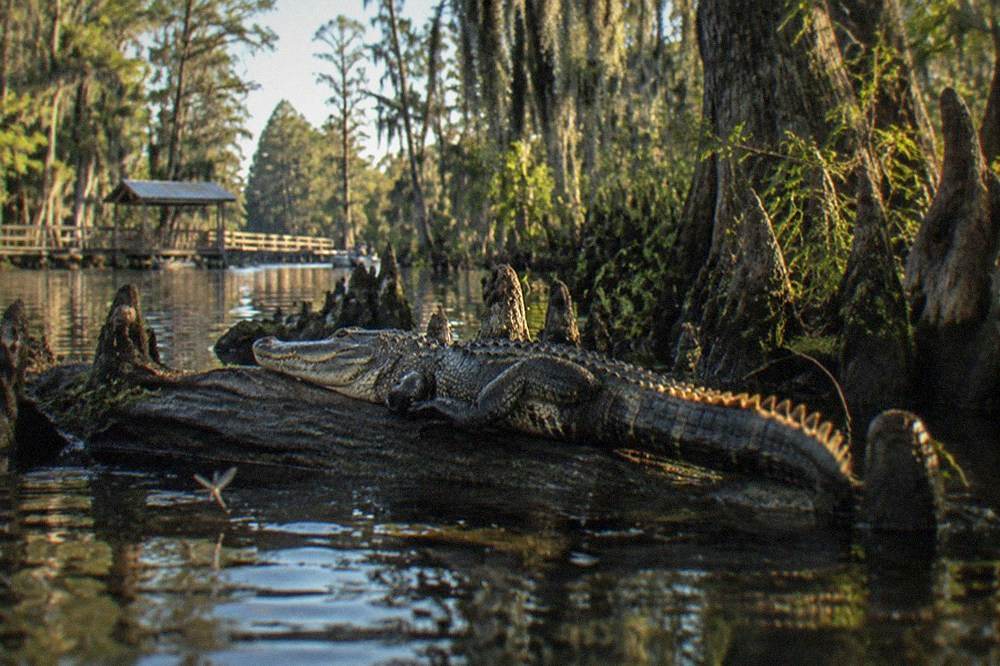
Then there is the wildlife work. A good captain reads the water: which bank holds alligators on a sunny afternoon, where the herons roost, which channel the nutria favor. Airboat Adventures is candid that sightings are never guaranteed, and that alligators tend to appear on sunny days above roughly 65 degrees Fahrenheit. So when a captain does deliver a string of sightings, that is skill and local knowledge doing the work, not luck. The company's own FAQ frames gator activity around water temperature, which tells you the captain is making judgment calls all day about where to take the boat.
There is also the customer-service layer. Airboats are loud, fast and physically demanding, and the restrictions are real: Airboat Adventures bars pregnant women, children under 5, and anyone with neck or back injuries from its airboats, and hands out hearing protection. Managing a mixed boat of excited kids, nervous first-timers and phone-wielding photographers while narrating over engine noise is a performance job as much as a driving job. The best captains make it look easy, which is exactly why it is easy to forget it is work.
If you want to see the small-boat end of that spectrum, the nine-passenger high-speed airboat out of Marrero is a good example: fewer people per departure, a captain close enough to answer questions mid-ride, and a 4.9 rating across 1,004 reviews. It costs from $89 per person.
Cash or the app: which way should you tip?
Cash at the dock is the cleanest route and the one captains prefer, because it lands in hand the same day; card tips work at operators with counters, and tips added through the booking listing afterward are a valid fallback that may take days to arrive. If you can swing it, bring small bills. Twenty dollars in ones and fives beats a single twenty when half the boat is also reaching for the captain's hand at once.
The practical wrinkle is that swamp docks are not restaurants. Many departure points have a small office or gift counter where a card tip can be rung up, and Airboat Adventures explicitly accepts cash, digital and credit tips with an ATM onsite. But if you are driving yourself to a roadside launch, there may be no terminal at all. That is why the standard advice from frequent swamp-goers is simple: hit an ATM the night before. The kayak operator in Manchac, for what it is worth, runs its tours from a roadside boat launch with no physical address, and coordinates are emailed after booking, which tells you how rustic some of these departure points are.
Tipping through the booking listing afterward deserves a mention, because it is the option people forget. If you booked online and paid by card, most listings include a tip field you can fill in after the tour. It works. The caveats are timing and fees: the operator may process listing payouts on a delay, and Airboat Adventures notes a 3 percent non-refundable credit-card surcharge on its own transactions, which suggests card-based money always loses a little something on the way. Cash skips all of that.
One more nuance: who the tip is actually for. On many trips the captain is also the guide, the spotter, the narrator and the deckhand, so one envelope covers everything. On larger covered-boat cruises there may be a separate guide and driver, in which case either hand the captain cash and say it is for the crew, or split it. On a small airboat there is no ambiguity: the person who found the gator gets the money.
Does the tip change for group size or boat type?
Yes, in both directions: small premium boats warrant a higher per-person tip because the captain serves fewer guests over the same working day, while large covered-boat cruises with dozens of passengers run fine at the lower end of the range. The percentage logic that works for restaurants is a poor fit here, because a captain's effort does not scale with your ticket price, it scales with the experience delivered and the number of wallets sharing it.
Here is a planning table with customary ranges. Treat these as etiquette ranges, not rules: nothing on any operator's site mandates them, and Airboat Adventures says outright that tipping is not required.
| Boat format | Typical group | Customary tip per person | Notes |
|---|---|---|---|
| Small premium airboat (6 seats) | 6 or fewer | $15 to $25 | Highest service intensity per guest; the captain knows everyone's name by the halfway mark. |
| Small high-speed airboat (9 to 10 seats) | 9 to 10 | $10 to $20 | The standard modern airboat format around New Orleans. |
| Large airboat (up to 30 seats) | Up to 30 | $10 to $15 | More passengers sharing the tip pool; the ride is noisier and less personal. |
| Covered pontoon swamp cruise | 20 to 60+ | $5 to $10 | Longer narration, calmer pace, often a separate guide and driver. |
| Kayak swamp tour (8 to 12 paddlers) | Small group | $10 to $15 | Guide paddles alongside, handles launches and shuttles. |
The small-boat premium is worth spelling out, because it is counterintuitive. The premium six-seat airboat in the roster costs from $95 per person, more than the big-boat rides, so a percentage-based tip would be larger too. But the real reason to tip generously on a six-seat boat is that the captain's total take depends on six people, not thirty. A $20 tip on a six-passenger premium boat is a bigger share of the captain's day than $20 on a full large airboat. The premium ride holds a 4.7 rating from 27 reviews, a small pool so far, which tells you it is a newer or quieter listing rather than a beloved institution.
Group size cuts the other way on the big covered boats. A pontoon cruise carrying dozens of guests does not need everyone at $20 to make the captain's afternoon worthwhile; the pool is wide. That is why the table's floor for covered cruises is lower. The same logic applies to the pickup-inclusive airboat packages: you paid more for the transport, but the driver and the captain may be different people, so consider whether your tip should ride with the person who drove the boat rather than the bus.
What if the tour was disappointing?
A tip rewards service, not outcomes, so skip or shrink it only when the service itself failed: a rushed trip, no narration, unsafe handling, or a captain who was dismissive toward guests. No alligator sightings is not a service failure. Weather is not a service failure. The operators are blunt about this in their own policies, and they are right to be, because a captain cannot promise what a wild animal will do.
Cajun Encounters states that tours go out rain or shine, that wildlife sightings are never guaranteed, and that covered boats are first come, first served rather than promised. Airboat Adventures says the same about sightings and adds that only lightning cancels the covered-boat trips at Cajun Pride. When you book a swamp tour you are buying a captain's effort and local knowledge, not a guaranteed animal. Louisiana's wild alligator population now exceeds 3 million animals, so the odds are usually decent, but a cold snap can shut the show down for a day and no tip policy in the world fixes that.
What does count as a service failure? A captain who cuts the ride short without cause, ignores questions, drives recklessly near wildlife, or makes guests feel unsafe. Those are legitimate reasons to leave nothing, and they are rare enough that the review pools around this niche are dominated by four- and five-star ratings. If something genuinely went wrong, the better move is often to say so to the operator directly, because most of these companies run on reputation and respond to it. A quiet word at the office usually does more than a withheld $15.
There is also a middle path people forget: tip small and say why. If the ride was mediocre but the captain was kind, a $5 bill with a thank you communicates the judgment better than nothing. And if you are unsure whether your trip will even suit you, reading up on the format first helps more than any tip can, so compare airboat versus boat swamp tours before you book, and check the best time for a swamp tour if wildlife is your main goal.
Common Questions About Tipping a Swamp Tour Captain
how much do you tip an airboat captain?
Plan on $10 to $20 per person for a standard airboat ride, or 15 to 20 percent of the ticket price if that is higher. On small premium boats with six or fewer seats, $15 to $25 per person is the customary range because the captain is serving fewer guests. No operator in the area requires a tip.
Should I tip in cash or through the booking listing?
Cash at the dock is preferred because the captain receives it the same day with no processing delay. Card tips work at operators with counters, and Airboat Adventures accepts cash, digital and credit tips with an ATM onsite. Tips added through the booking listing afterward are valid but may take days to reach the operator.
Do I still tip if we didn't see any alligators?
Yes, if the captain worked the ride properly. Operators including Cajun Encounters and Airboat Adventures state plainly that wildlife sightings are never guaranteed, and alligator activity drops with the temperature. A tip rewards the captain's effort and knowledge, not the animals' cooperation.
Does the tip go to the captain or the whole crew?
On small airboats the captain is usually the guide, spotter and driver all at once, so the tip goes directly to them. On larger covered-boat cruises with a separate guide and driver, hand the captain the cash and say it is for the crew, or split it between them.
Is tipping expected on covered pontoon swamp cruises too?
It is customary but at a lower range, usually $5 to $10 per person, because the passenger pool on a large covered boat is much wider. The same service logic applies: reward the narration, the spotting and the handling of the trip.
If you are still narrowing down which ride deserves your business and your tip, the homepage at New Orleans Swamp Tours compares every airboat and boat option side by side, and the swamp tour prices guide breaks down what each format costs before the tip even enters the picture.